
Stop your coupon code from spreading
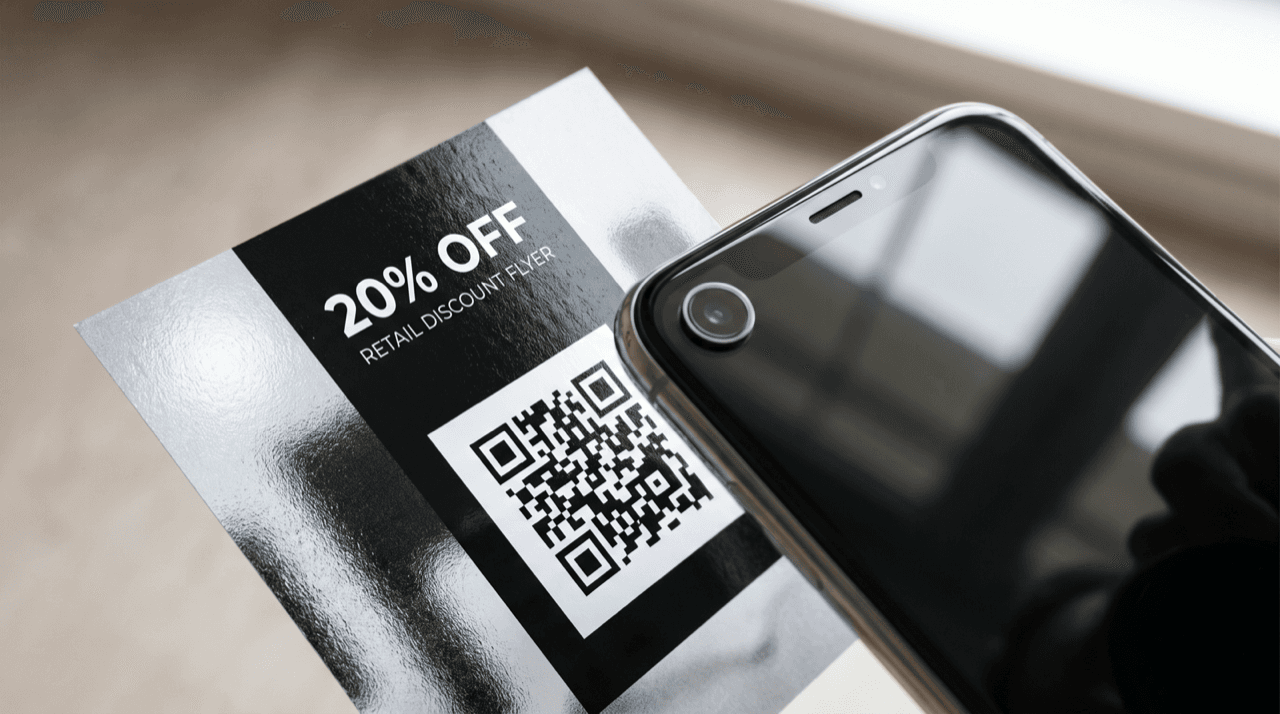
You launch a 20 percent off code on one printed flyer campaign. Two weeks later it is sitting on a coupon aggregator site, redeemed thousands of times by people who never saw your flyer. That is coupon code leakage, and it quietly turns a targeted promotion into a margin leak that anyone with a browser can exploit. This article breaks down how a single reusable code escapes its intended audience, how to spot the leak in your scan and redemption data, and which controls (unique codes, scan caps, dynamic redirects, and expiry rules) actually contain the damage. The goal is a discount that rewards the customer you paid to reach, not the internet at large.
How Coupon Codes Leak in the First Place
A coupon code leaks the moment its value is separated from the context you designed for it. A single reusable string like SAVE20 does not know who typed it. Someone photographs your flyer, posts the code to a deals forum or a browser extension that auto-tests codes at checkout, and within hours the discount belongs to strangers.
The common leak paths are predictable. Screenshots shared in group chats. Coupon aggregator sites that crowdsource active codes. Browser extensions that inject every known code at checkout until one sticks. Employees or affiliates resharing an internal code outside its intended list. None of these require sophistication. They require only that your code works more than once and has no tie to a specific person or scan.
The root cause is reuse. A code that any device can redeem an unlimited number of times behaves like a bearer instrument, like cash: whoever holds it can spend it. Once you accept that framing, the fix stops being about secrecy and starts being about structure.
How to Detect Coupon Code Leakage in Your Scan Data
You cannot close a leak you cannot see. Detection starts with two numbers you should already track: scans and redemptions. When redemptions climb while scans on your printed material stay flat, the discount is moving through channels you never printed.
Watch the geography. If you mailed 1,000 postcards to a single zip code and half your redemptions come from three states away, the code left the mailbox. Dynamic QR codes that log location, device, and browser (available on QRlytics paid tiers) let you compare where you distributed against where redemptions actually happen.
Watch the timing too. Organic scans from a flyer trickle in over days. A leak spikes: a flat line, then a near-vertical wall of redemptions within an hour of the code surfacing on an aggregator. That shape is the signature of a code shared at scale.
- Redemption count far exceeds tracked scans on the printed piece: the gap is leakage, not demand.
- Redemptions cluster in regions you never targeted, a mismatch between distribution zip codes and redemption locations.
- A sudden hourly spike after days of flat activity, the fingerprint of a code posted to a coupon site.
Why Static Codes Make Coupon Leakage Permanent
A static QR code hard-codes its destination into the printed pattern. The URL cannot change after printing. If that URL carries your discount and the code leaks, you have no kill switch. Your only options are reprinting everything or absorbing the loss.
A dynamic QR code stores a short redirect URL in the pattern and points it wherever you decide. When you spot leakage, you redirect the same printed code to an offer-ended page, swap in a new gated form, or throttle it, all without touching the physical print run. The pattern on the flyer never changes; the destination does.
Dynamic codes are the difference between a leak you can close today and a leak you have to outlive.
Unique Codes vs Shared Codes: Which Structure Protects Margin
The single biggest decision in leakage prevention is whether every recipient gets the same code or a code of their own. Shared codes are simple to print and impossible to contain once public. Unique codes cost more to generate and manage, and they give you a per-person kill switch. For a bottom-of-funnel discount tied to real margin, the admin cost usually pays for itself the first time you cancel a leaked code without touching anyone else's offer.
Use this framing to pick a structure before you print, not after the code is loose.
- Shared reusable code: pro is one code to print and promote; con is zero containment, one leak exposes the entire campaign, and you cannot tell a real customer from a freeloader.
- Unique single-use code per recipient: pro is precise attribution and per-person cancellation; con is higher setup and the need for a system that generates and validates codes at checkout.
- Unique code per batch or channel: pro is you can trace which flyer run or channel leaked and disable just that batch; con is you still cannot isolate an individual redeemer within the batch.
Practical Controls That Cap the Damage
Structure decides how far a leak can spread; controls decide how much it costs while you react. Four controls stack well together, and none of them require a bigger budget, only a decision made before the print job.
Set a redemption cap. Cap total redemptions per code at a number that matches your print run, not the internet. If you printed 500 flyers, a code that stops working after 500 redemptions can never fund 5,000 discounts. Add an expiry window: a code live for 14 days gives an aggregator far less time to profit than an open-ended one. Rotate codes per campaign so a code harvested last quarter is already dead. And where margin is thin, issue one-time unique codes gated behind a short form, so redemption requires a real submission you can measure.
For the design and placement fundamentals that get these codes scanned in the first place, see the QR Code Best Practices article. Containment only matters once the legitimate audience is actually scanning.
Treat Leakage Prevention as a Business Case, Not a Reflex
Most teams patch a leaked code in a panic and never quantify what it cost. That is a mistake, because the fix (dynamic codes, unique generation, caps) is easy to justify once you put the loss on paper. According to Forrester, only 22% of global CX decision-makers make a business case for every project and initiative, which means most controls get funded on gut feel or not at all.
Build the one-page case: expected redemptions at your intended volume, the cost per unintended redemption, and the margin you protect by capping and rotating. A discount that leaks to 800 extra redemptions at a real cost per redemption is a line item, not an abstraction. Framed that way, moving from static shared codes to dynamic unique codes stops being an expense and becomes the cheaper option.
A Worked Example: Calculate Your Own Leakage Rate
This is a hypothetical worked example with round numbers, meant to show the formula, not to report an observed result. Say you print 2,000 flyers, each carrying a unique single-use code, and your scan tracking shows 300 scans. That is a 15 percent scan rate. Of those scans, 180 redeem, a 60 percent scan-to-redemption rate.
Now say your redemption report shows 900 total redemptions across all codes. The 720 redemptions with no matching tracked scan are your leakage: codes redeemed without ever passing through your distribution. Leakage rate here is 720 divided by 900, or 80 percent of redemptions you never intended to fund.
The numbers are illustrative, but the formula is the point: total redemptions minus tracked scans, divided by total redemptions. Run it on your last campaign. If the result is anything above single digits, structure is leaking margin, and the controls above are where you start.
Do, Don't, Track: A Quick Reference
Keep this breakdown next to your next promotion plan. It compresses everything above into decisions you make before the file goes to print.
- Do: issue unique single-use codes for any discount tied to real margin, route them through a dynamic QR code, and set both a redemption cap and an expiry window.
- Don't: print one shared reusable code on a static QR pattern, because a static code cannot be redirected and a shared code cannot be contained once it is public.
- Track: compare tracked scans against total redemptions every campaign, flag geography and timing mismatches, and calculate your leakage rate so the next print run is structured to close it.
Coupon code leakage is a structure problem wearing a security costume. You do not stop it by keeping the code secret; you stop it by making the code impossible to reuse at scale and easy to kill when it escapes. This week: pull your last promotion, calculate leakage as redemptions minus tracked scans divided by redemptions, and if the number embarrasses you, rebuild the next campaign on a dynamic QR code with unique single-use codes, a redemption cap set to your print run, and a 14-day expiry. That combination turns every discount into something you can measure, contain, and shut off the moment it leaves the audience you paid to reach.
Start measuring your own campaigns
QRlytics tracks every scan with location, device, and browser data, so you can see which printed pieces actually pay off. The free plan covers your first codes at no cost, and Pro unlocks unlimited dynamic codes and full scan history when you are ready to scale. See all options on the plans page.

Ready to track your QR codes?
Create trackable QR codes with powerful analytics. See who scans, when, and where. All in real-time. Get started for free today.