
7 QR Code Lead Generation Strategies for 2026
Remember when QR codes felt like a pandemic-era workaround? Those days are long gone. QR codes have evolved into one of the most effective lead generation channels available to marketers. The numbers back that up. Over 102 million Americans are projected to scan QR codes in 2026, according to eMarketer, while global scans surged 57% year-over-year according to QR TIGER. The global QR code market, valued at $13.04 billion in 2025 according to Mordor Intelligence, is projected to reach $33.14 billion by 2030. For marketers focused on customer acquisition, the real question isn't whether QR codes work. It's how to design them for maximum conversion.
That headline number (67% more customers) draws from multiple converging data points. Retail clients implementing QR-integrated POS systems reported acquiring 67% more customers within the first six months, according to Positiwise. B2B companies integrating QR codes into print materials reported a 67% increase in lead quality, according to The Only Consultants. And a Coca-Cola and Innocent Drinks campaign using dynamic QR codes achieved a 67% conversion rate, according to Digiphy.
These aren't flukes. They point to a clear pattern. When QR codes are deployed with intention (offering a clear value exchange, dynamic tracking, and mobile-optimized destinations), they consistently outperform traditional digital channels. QR-initiated journeys see an average click-through rate of 37%, significantly higher than traditional digital ads, according to Uniqode as reported by Philomath News.
So what does that look like in practice? Here are seven proven strategies to capture that performance in 2026.
1. The "Value-Exchange" Gated Content Strategy
This is the foundation everything else builds on. A value-exchange gated content strategy links a QR code to a specific, high-value asset: a contest entry, exclusive video, or digital download. It requires a simple email signup. Not a generic homepage. Not a "learn more" page. Something the user actually wants.
The proof is hard to argue with. In 2025, Coca-Cola and Innocent Drinks ran a "seeds giveaway" campaign using dynamic QR codes. Scanning the code entered users into a contest for free seeds: a simple, tangible reward. The campaign achieved a 67% conversion rate and a 65% engagement rate, according to Digiphy. That conversion rate dwarfs what most digital campaigns deliver. The reason is straightforward: users knew exactly what they were getting before they scanned.
Why This Works in 2026
The trend this year is what industry observers describe as "depth after the scan." People expect interactive experiences, not static text pages. According to QRCodeKIT, the conversation has shifted from whether QR codes work to how they are designed. Users no longer scan just to reach a homepage. They expect relevance, speed, and value.
- Do: Link to a specific landing page offering a whitepaper, discount code, or contest entry in exchange for an email address.
- Don't: Link to your homepage and hope visitors navigate to a signup form.
- Key metric to track: Scan-to-submission conversion rate on the gated landing page.
2. Dynamic vCards for "Always-On" Networking
Paper business cards end up crumpled in jacket pockets. Dynamic vCards don't. These digital business cards, powered by dynamic QR codes, replace traditional paper cards with a mobile-optimized profile that allows one-tap contact saving and built-in lead capture. Digital business cards now account for 5% of all QR codes generated, and 82% of consumers feel comfortable scanning codes from recognized business contexts, according to QRCodeKIT.
Read also: Who Invented the QR Code? The Japanese Engineer Who Changed How We Share Information
The lead generation advantage here is significant. Unlike a paper card that disappears into a drawer, a dynamic QR code lets you track who scanned it, when, and where. If pixel tracking is enabled, you can retarget people who scanned but didn't save your contact information, turning a casual conference interaction into a measurable lead.
Implementation Tips
- Use a dynamic QR code (not static) so you can update your contact details, job title, or linked portfolio without reprinting.
- Include your vCard QR code on email signatures, presentation slides, and LinkedIn profiles, not just physical cards.
- Track scan analytics to identify which networking events generate the most engaged contacts.
3. Smart Packaging for First-Party Data Collection
Here's a problem most CPG brands know well: you ship millions of units through retail, but you have no idea who's actually buying them. Smart packaging solves this. By placing QR codes on product packaging that unlock warranties, manuals, recipes, or "how-to" videos in exchange for product registration, you convert anonymous retail buyers into known digital leads. As of 2025, 92% of CPG brands now use QR codes on packaging, according to QuickMarkr.
The results speak for themselves. Unilever India increased engagement by 245% by linking packaging QR codes to exclusive content and recipes, according to QuickMarkr. The mechanism is simple: a customer who has already purchased your product is highly qualified. Offer them something useful: a recipe, a warranty registration, a how-to video. You capture their contact information at the moment of highest brand affinity.
Why First-Party Data Matters Now
With the ongoing deprecation of third-party cookies, brands that sell through retail channels face a growing data gap. They know how many units shipped, but not who bought them. Smart packaging QR codes close that gap by creating a direct digital relationship between brand and consumer. Every scan that results in a product registration is a lead that belongs to you, not to a retailer or ad platform.
4. The "Bridge" Strategy for Direct Mail and Print
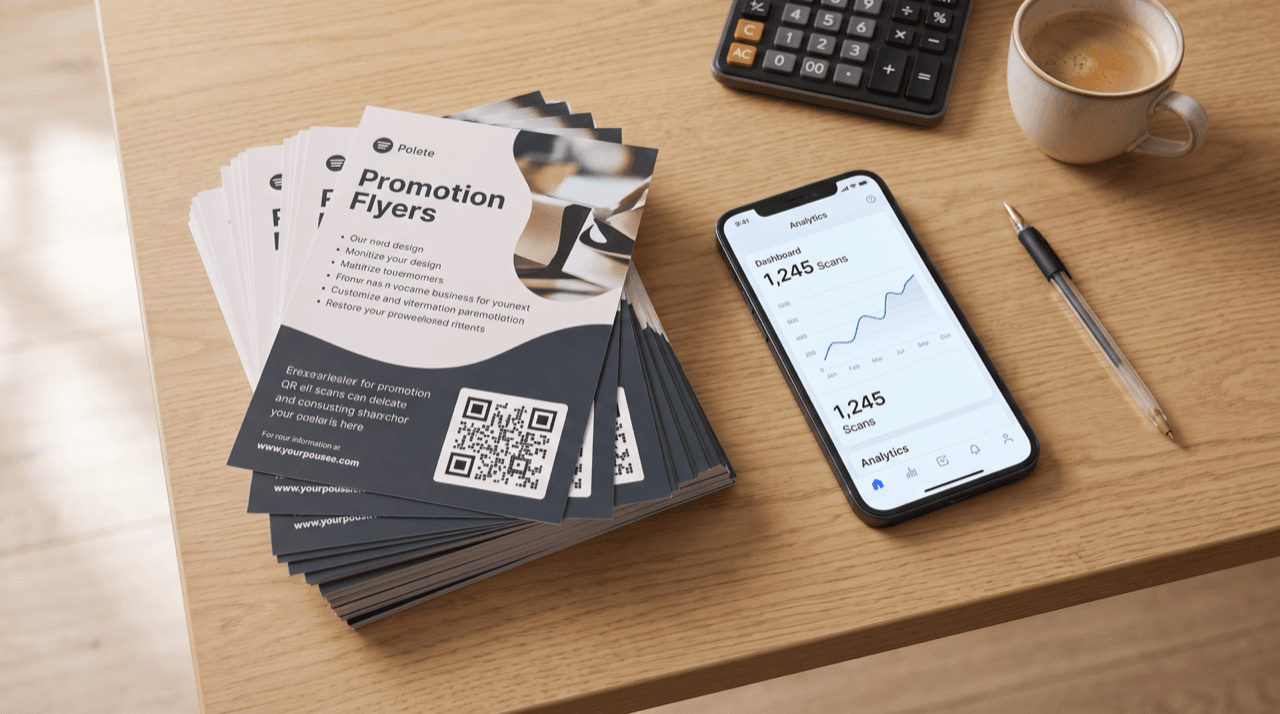
Print isn't dead. But print without a digital bridge is. The bridge strategy uses QR codes on physical mailers, flyers, or brochures to drive traffic to personalized URLs (PURLs) or specific landing pages, connecting offline marketing materials to trackable online lead capture. B2B companies integrating QR codes into print materials report a 67% increase in lead quality, according to The Only Consultants.
Read also: Claude Code for Beginners: Setup, Tips & First Project
This strategy hits especially hard in industries where decision-makers still rely on physical materials. According to The Only Consultants, a manufacturing firm used QR codes in print brochures to drive decision-makers to a technical specs page, capturing high-intent B2B leads who were previously untrackable. The key insight? Someone who takes the time to scan a QR code on a technical brochure is signaling genuine purchase intent: a far stronger signal than a random website visit.
Execution Best Practices
- Use personalized landing pages: Each print run or mailing segment should link to a unique URL so you can attribute leads to specific campaigns.
- Track with dynamic QR codes: Dynamic QR codes held approximately 65% market share in 2025, according to Mordor Intelligence, precisely because they allow tracking, A/B testing, and changing the destination URL after printing.
- Avoid context blindness: Don't place QR codes where users lack internet access (subways without Wi-Fi) or time to scan (highway billboards). This remains a common mistake that kills conversion.
5. Event Gamification: Scavenger Hunts and Contests
The fishbowl full of business cards at a trade show booth? That's a relic. Event gamification uses QR codes at trade shows, conferences, or retail locations to run interactive experiences: scavenger hunts, multi-booth challenges, prize draws. Attendees scan codes at different locations to win. According to Bitly, 43% of marketers use QR codes for events, and gamified experiences increase booth dwell time and lead capture rates by turning passive visits into active challenges.
The 2026 trend is clear: "Scan-to-Win" is replacing the old "drop your card in the bowl" approach. The advantage is twofold. First, gamification gives attendees a reason to visit multiple touchpoints, increasing exposure. Second, every scan is a digital data capture moment, enabling instant follow-up rather than waiting days to manually enter business card information.
How to Structure a QR Scavenger Hunt
- Place unique QR codes at five to ten locations or booths across your event.
- Each scan registers the attendee's progress toward a prize (requiring email or contact info on the first scan).
- Use dynamic QR codes to track which stations get the most engagement and optimize placement in real time.
- Offer a compelling prize: the same value-exchange principle from Strategy 1 applies here.
6. Instant Coupon Unlocking: The Retail Hook
Few lead generation tactics work at the exact moment of purchase intent. This one does. Instant coupon unlocking places a "Scan to Reveal Discount" QR code at the point of sale or in window displays, requiring users to enter their email address before the discount code appears. According to OpenQr, 67% of consumers agree QR codes make life easier, and coupon redemption is a top driver for scanning.
Read also: What Are QR Codes Made Of and How Are They Created? A Complete 2026 Guide
This strategy captures the lead before the purchase is completed or incentivizes a second purchase, directly attributing revenue to the lead source. The captured leads are exceptionally high-value because they're collected at the peak of buying intent.
Why This Drives Retention, Not Just Acquisition
The real power of coupon unlocking extends well beyond the initial transaction. According to Uniqode as reported by Philomath News, repeat buyers spend 67% more than first-timers. By capturing an email at the point of sale, you create a channel for post-purchase communication: follow-up offers, loyalty programs, product recommendations. This turns a one-time buyer into a repeat customer. The QR code becomes the entry point to a retention funnel, not just a one-off discount.
- Window displays: Drive foot traffic by teasing a mystery discount visible only after scanning.
- In-store POS: Capture emails from customers already committed to buying, then incentivize their next visit.
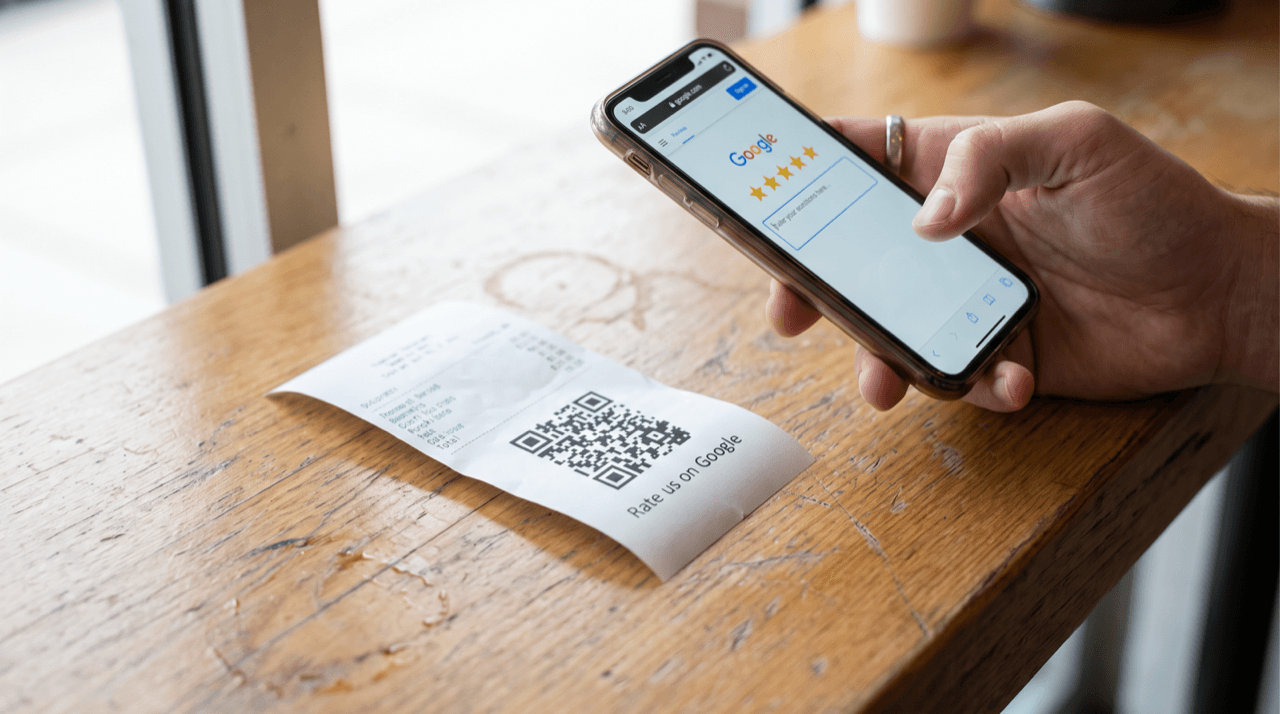
- Receipts: Post-purchase QR codes offering a discount on the next order extend the customer lifecycle.
7. Video-First Product Education
Nobody wants to read a 40-page PDF manual. Video-first product education links QR codes on technical products or appliances to video tutorials instead. This strategy pulls double duty: it improves the customer experience and creates a lead capture opportunity by gating advanced content behind a login. CLR Brands saw a 2x increase in repeat purchases from viewers who scanned packaging codes to watch "how-to" videos, according to Digiphy.
The lead generation angle here is subtle but powerful. The initial video (basic setup or usage instructions) should be ungated and freely accessible. But an "Advanced Tips" video series or exclusive content for power users can sit behind an email signup. The users who opt in are your most engaged customers: the ones most likely to become repeat buyers and brand advocates.
Why Video Outperforms PDFs
- Engagement: Video is inherently more engaging than a static PDF manual, keeping users on your content longer.
- Trackability: With dynamic QR codes, you can see exactly how many customers scanned, how many watched the video, and how many signed up for advanced content.
- Updatability: Dynamic QR codes let you swap the linked video without changing the printed code, which is critical for products with firmware updates or seasonal usage tips.
Why Dynamic QR Codes Are Non-Negotiable in 2026
Every strategy above depends on one thing: dynamic QR codes. These are codes whose destination URL can be changed after printing, and they're essential for serious lead generation. Static QR codes, which permanently link to a single URL, are effectively obsolete for marketing purposes. According to Mordor Intelligence, dynamic QR codes held approximately 65% market share in 2025 because they enable tracking, A/B testing, and post-print URL changes.
Read also: QR Code Treasure Hunts Revolutionizing Games in 2025
For lead generation specifically, dynamic QR codes deliver three capabilities that static codes simply cannot:
- Scan analytics: Know how many people scanned, when they scanned, and where they were located.
- A/B testing: Test different landing pages against the same printed QR code to optimize conversion rates.
- Campaign flexibility: Update the destination URL for seasonal promotions, expired offers, or updated content without reprinting a single code.
Avoiding the Pitfalls: Security and Experience
As QR code usage grows, so do the risks. "Quishing" (QR code phishing) is a real and growing security concern in 2026. Attackers place fraudulent QR codes over legitimate ones, directing users to malicious sites. People are becoming increasingly wary of scanning unbranded codes. The fix is straightforward: always use custom-branded QR codes with your logo and a custom domain (such as scan.yourbrand.com) to build trust.
Just as damaging to conversion is a broken mobile experience. If the landing page behind your QR code doesn't load quickly on mobile, ideally under two seconds on 5G, conversion drops to near zero. Every strategy in this article depends on a fast, mobile-optimized destination page. A beautifully designed QR code campaign that links to a desktop-formatted PDF is a wasted investment.
Putting It All Together: A Framework for 2026
All seven strategies share a common architecture: a clear value exchange, a dynamic QR code with tracking enabled, and a mobile-optimized landing page built for lead capture. Whether you're a CPG brand using smart packaging, a B2B manufacturer bridging print to digital, or a retailer unlocking coupons at the point of sale, the mechanics are the same.
The data leaves little room for debate. QR-initiated journeys deliver a 37% average click-through rate, according to Uniqode as reported by Philomath News. The best campaigns, like the Coca-Cola/Innocent Drinks seeds giveaway, achieve conversion rates of 67%, according to Digiphy. And retail implementations are driving 67% more customer acquisitions within six months, according to Positiwise.
In a market projected to grow from $13.04 billion to $33.14 billion by 2030 according to Mordor Intelligence, the cost of sitting this out is steep. The brands that win in 2026 won't be the ones that simply slap QR codes on their materials. They'll be the ones that design every scan as the beginning of a measurable customer relationship.

Ready to track your QR codes?
Create trackable QR codes with powerful analytics. See who scans, when, and where. All in real-time. Get started for free today.