

Who Invented the QR Code? Masahiro Hara's Legacy
Those small black and white squares on restaurant menus and vaccine certificates? They started with a frustrated engineer trying to speed up factory work. Masahiro Hara's solution to a mundane automotive problem became one of the most widely-used technologies on the planet.
The Man Behind the Matrix: Masahiro Hara
Back in the early 1990s, Masahiro Hara was a quiet engineer at Denso Wave, focused on automotive manufacturing systems. Born in 1957, he certainly didn't set out to create something that would eventually live on billions of smartphones. He was just trying to solve a problem that was driving his colleagues crazy.
Hara and his teammate Takayuki Nagaya watched factory workers waste hours every day struggling with traditional barcodes on automotive parts. Those linear barcodes could barely hold 20 characters, and you had to position the scanner just right or start over.
"Workers were getting tired of the slow scanning process," Hara said years later. "We needed something faster, more reliable, and capable of storing much more information."
The Birth of Quick Response Technology in 1994
When Hara and his team at Denso Wave (a Toyota subsidiary) cracked the code in 1994. They didn't just tweak the existing barcode: they reimagined the whole concept. Instead of one-dimensional lines, they created a two-dimensional square matrix.
The problem was real and costly: workers had to angle their scanners perfectly, often trying multiple times to get a single read. In Toyota's high-volume factories, these seconds added up to serious productivity losses.
Hara's design featured three distinctive square patterns at the corners, letting scanners identify and read the code from any angle, instantly. No more precise positioning. No more frustrated workers.
Revolutionary Technical Specifications
The numbers tell the story. Traditional barcodes: about 20 characters. QR codes: over 4,000 characters. That's 200 times more data in roughly the same space.
Speed? Barcode scanners might take several seconds and multiple attempts, especially with damaged codes. QR codes decoded in milliseconds from any angle - roughly 10 times faster.
Then there's the error correction. Hara built in Reed-Solomon algorithms that could reconstruct the data even when 30% of the code was damaged or dirty. Try that with a barcode.
The Generous Decision That Changed Everything
Here's where the story gets interesting. Hara and Denso Wave made the QR code royalty-free. Anyone could use it, no licensing fees, no restrictions.
"We wanted the technology to be used widely," Hara explained. "Making it royalty-free was essential for global adoption."
That single decision changed everything. Companies could experiment without worrying about fees. Developers could build applications freely. The technology spread because it was useful and accessible.
Global Adoption and Unexpected Applications
Hara designed QR codes for tracking car parts. But retail companies saw inventory management potential. Restaurants wanted digital menus. Marketing teams realized they could connect physical products to digital experiences.
The real breakthrough came with smartphones in the late 2000s. Once phones had decent cameras and processing power, QR codes jumped from factory floors to consumer pockets. Suddenly, anyone could scan anything.
Payment systems became a massive use case. Czech engineers at Raiffeisenbank developed QR payment specifications in 2012, which influenced EU-wide standards. Hara's invention kept evolving through international collaboration.
The COVID-19 Acceleration
When the pandemic hit in 2020, QR codes became essential overnight. Contact tracing apps, vaccine certificates, touchless menus - all relied on technology Hara had developed 26 years earlier.
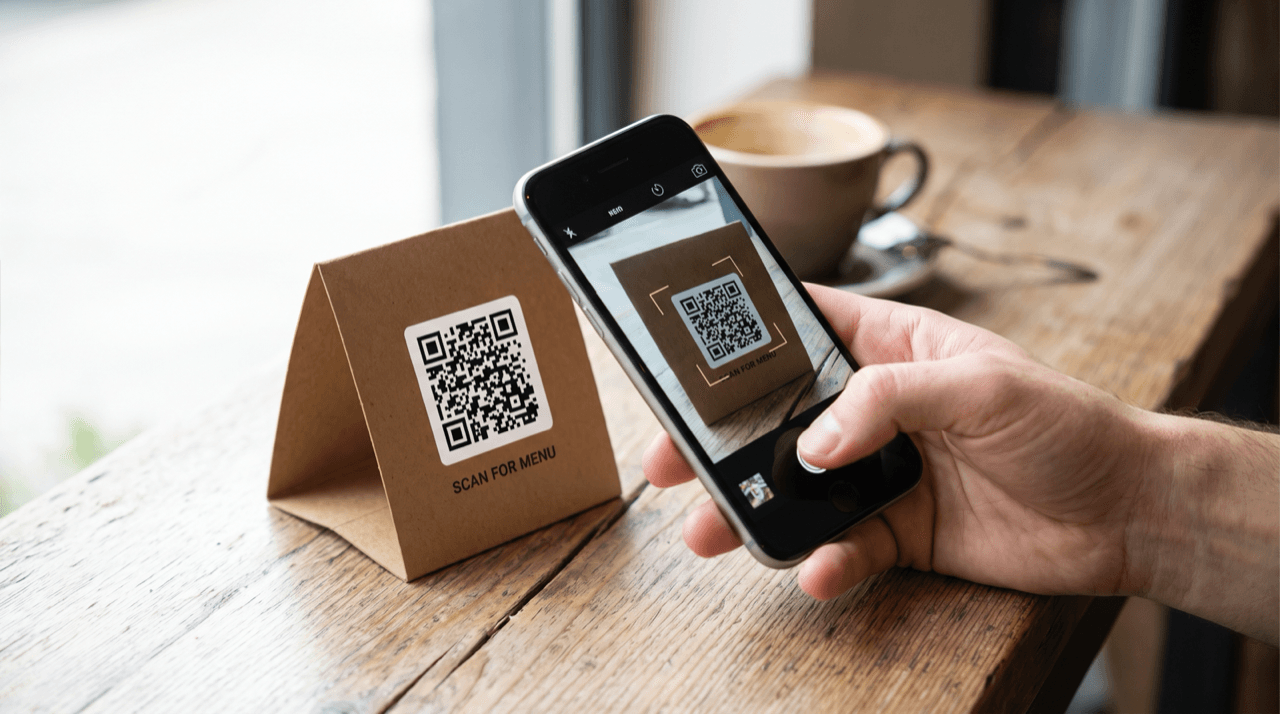
Restaurant owners who'd never bothered with digital tools suddenly needed them for safe operations. The transformation of restaurant service through QR codes has continued well beyond the pandemic, with establishments now using them for everything from digital menus to contactless payments and customer engagement. Healthcare systems managed patient data and vaccination records through QR codes. Schools tracked attendance and shared resources.
The same features that solved 1994 manufacturing problems (error correction, fast scanning, angle flexibility) proved perfect for 2021 public health needs.
Continued Innovation and Future Development
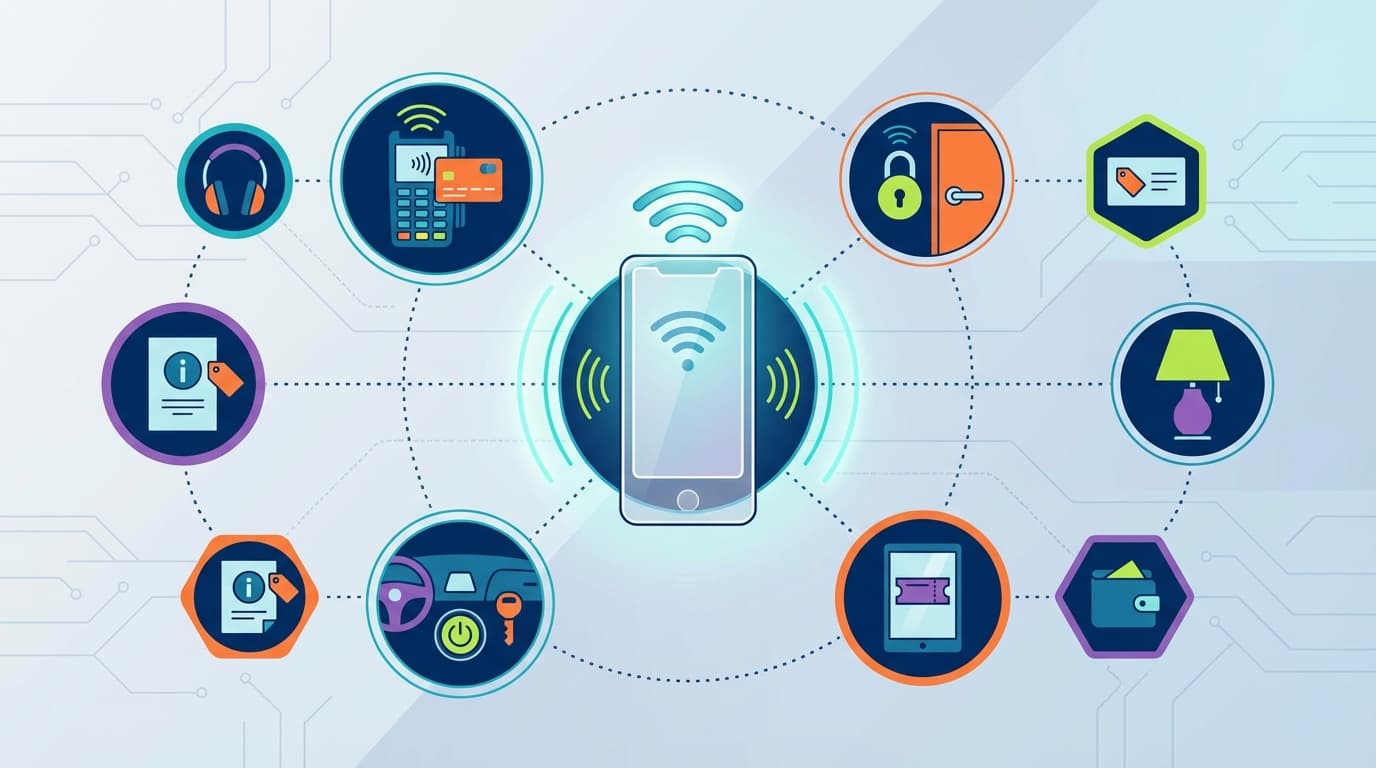
Hara is 68 now and still working on QR code development. He's focused on enhanced security, increased data capacity, and applications for augmented reality and IoT devices.
Recent developments include micro QR codes for tight spaces, secure QR codes with built-in encryption, and frame QR codes that incorporate logos without breaking functionality. Modern platforms like QRlytics are building on Hara's foundation by adding advanced analytics and tracking capabilities that help businesses understand how their QR codes are being used in real-world scenarios.
Takayuki Nagaya, Hara's original partner, still contributes through Denso Wave's research division. Their collaboration has lasted over three decades-proof that inventors who stay engaged with their creations keep pushing them forward.
Legacy of a Simple Solution
Masahiro Hara wanted to help factory workers scan parts faster. He ended up changing how billions of people share information daily.
The decision to make QR codes royalty-free mattered just as much as the technical innovation. Open access enabled countless applications and improvements that never would have emerged under restrictive licensing.
QR codes remain essential infrastructure for contactless experiences, digital payments, and information sharing. What started as a fix for slow barcode scanning became fundamental to modern digital interaction. Today's businesses leverage QR technology not just for basic information sharing, but for sophisticated applications like reducing operational errors and cutting costs across entire industries.
Hara's story shows what happens when you solve specific, practical problems well. The Japanese engineer who just wanted to speed up factory scanning created a tool that reshaped how humanity shares information in the digital age.

Ready to track your QR codes?
Create trackable QR codes with powerful analytics. See who scans, when, and where. All in real-time. Get started for free today.